From pigments and patterns to rich metaphor, local flora hold a wealth of uses — they can be muses for our art in more ways than one. Once you learn a plant and how to incorporate it into your art respectfully, the relationship is beautiful.
I love helping others nurture their creativity by connecting to the life around them, as well as to their own bodies, minds, and internal realities. Art is a way of exploring both inner and outer worlds, and is a language we understand intuitively — it allows us to cross boundaries, and teaching (and actively learning) I feel is a form of subtle activism, rebellion against the isolation and suppression of creativity we each experience everyday. Being human is messy: I want to give students permission to explore this with an open mind.
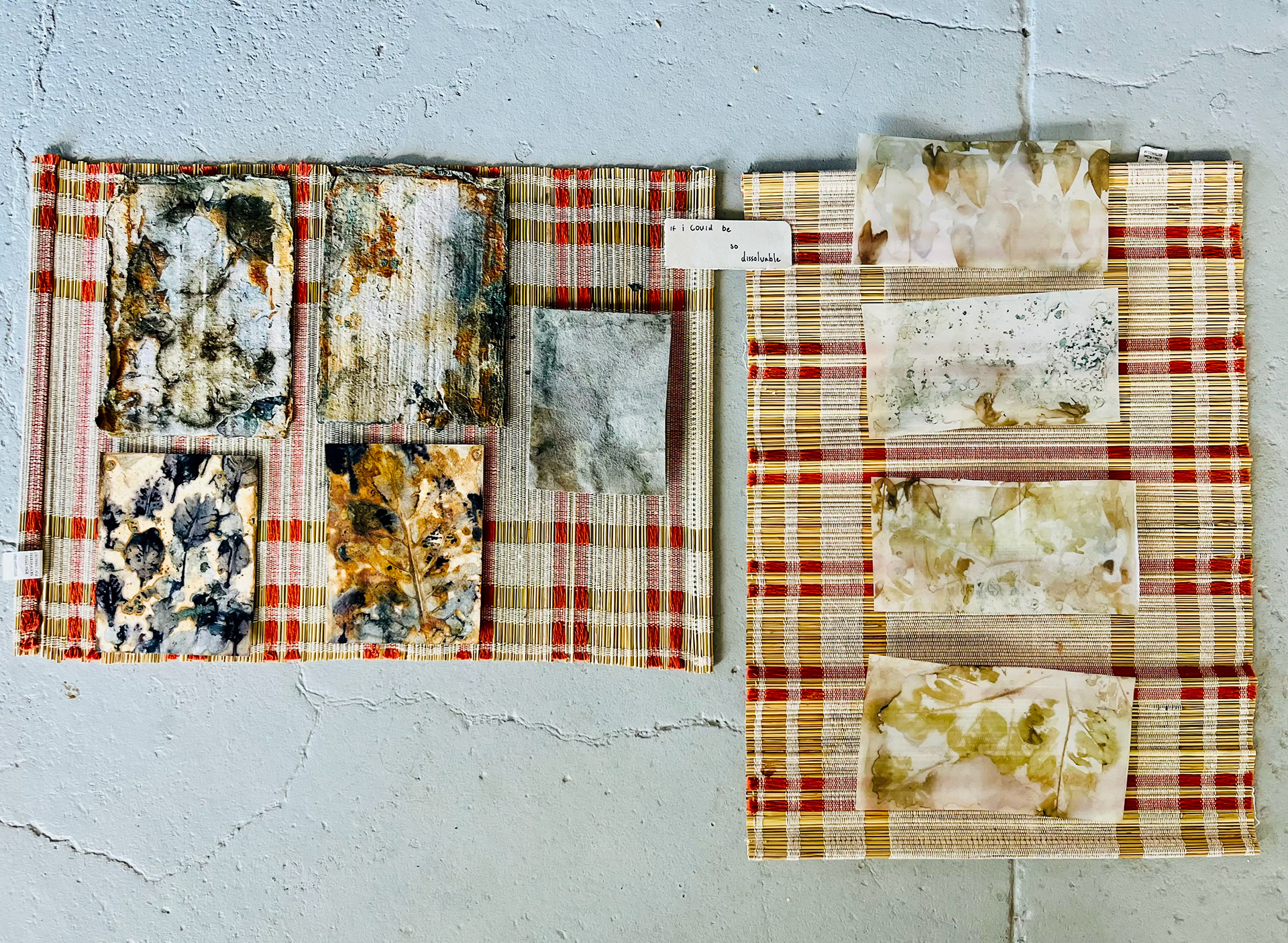
Making conductive paper with iron and locally foraged Native plants
An intimate gathering of making + exploring, recycled papers from scraps and meaningful objects naturally dyed with iron and plants from a Williamsburg BK park; followed by experimental music-making by weaving in capacitive touch sensors.
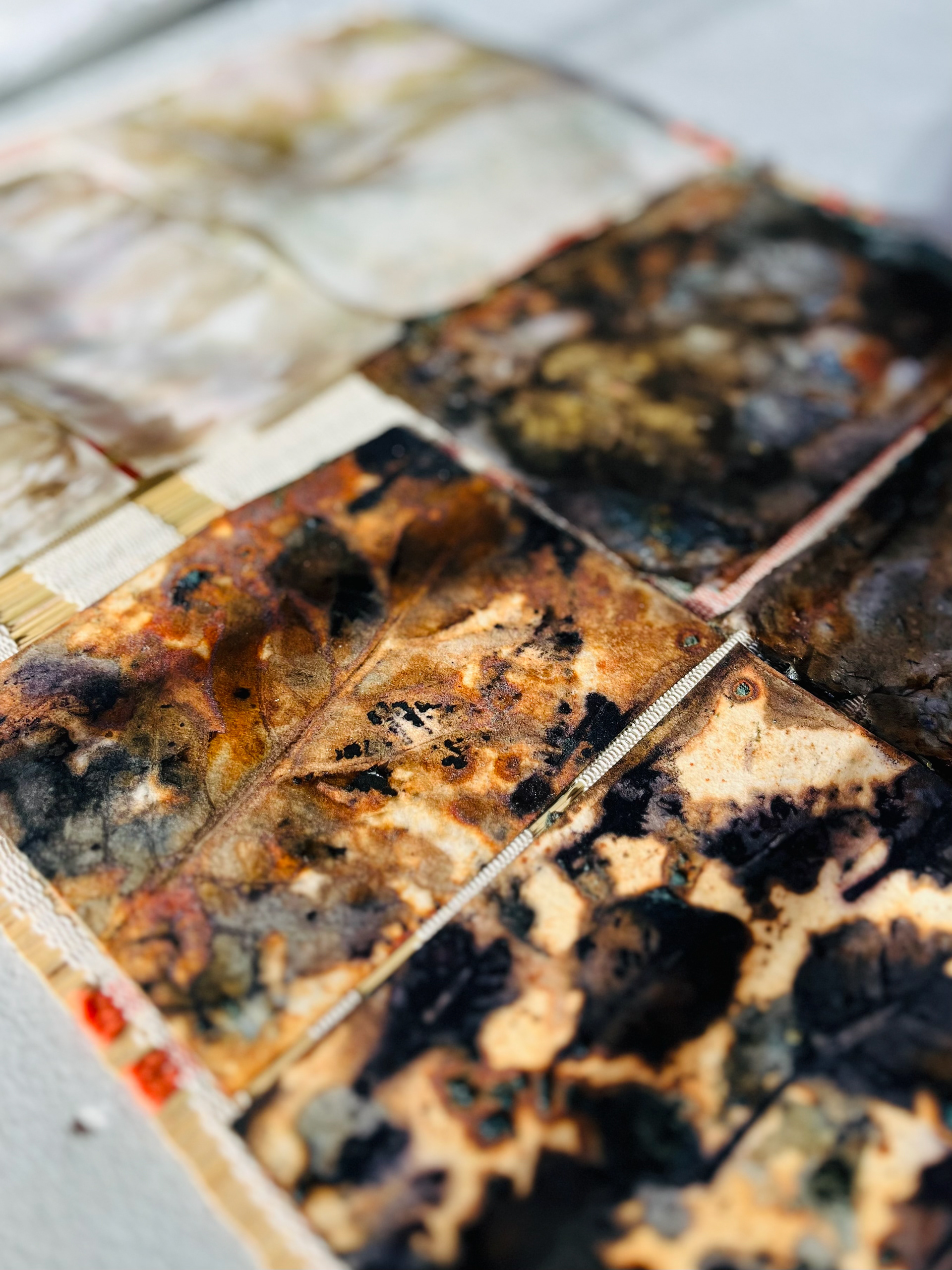
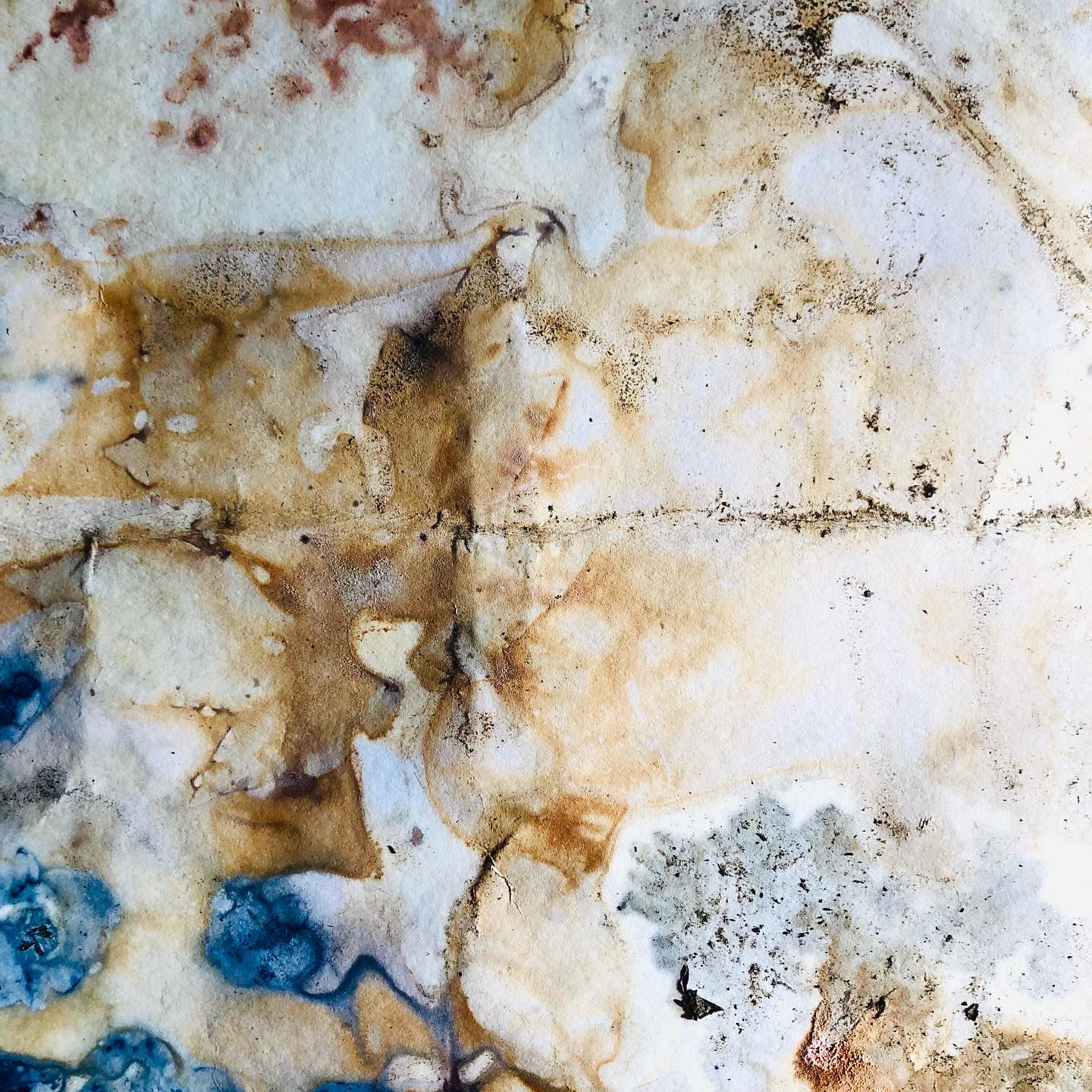
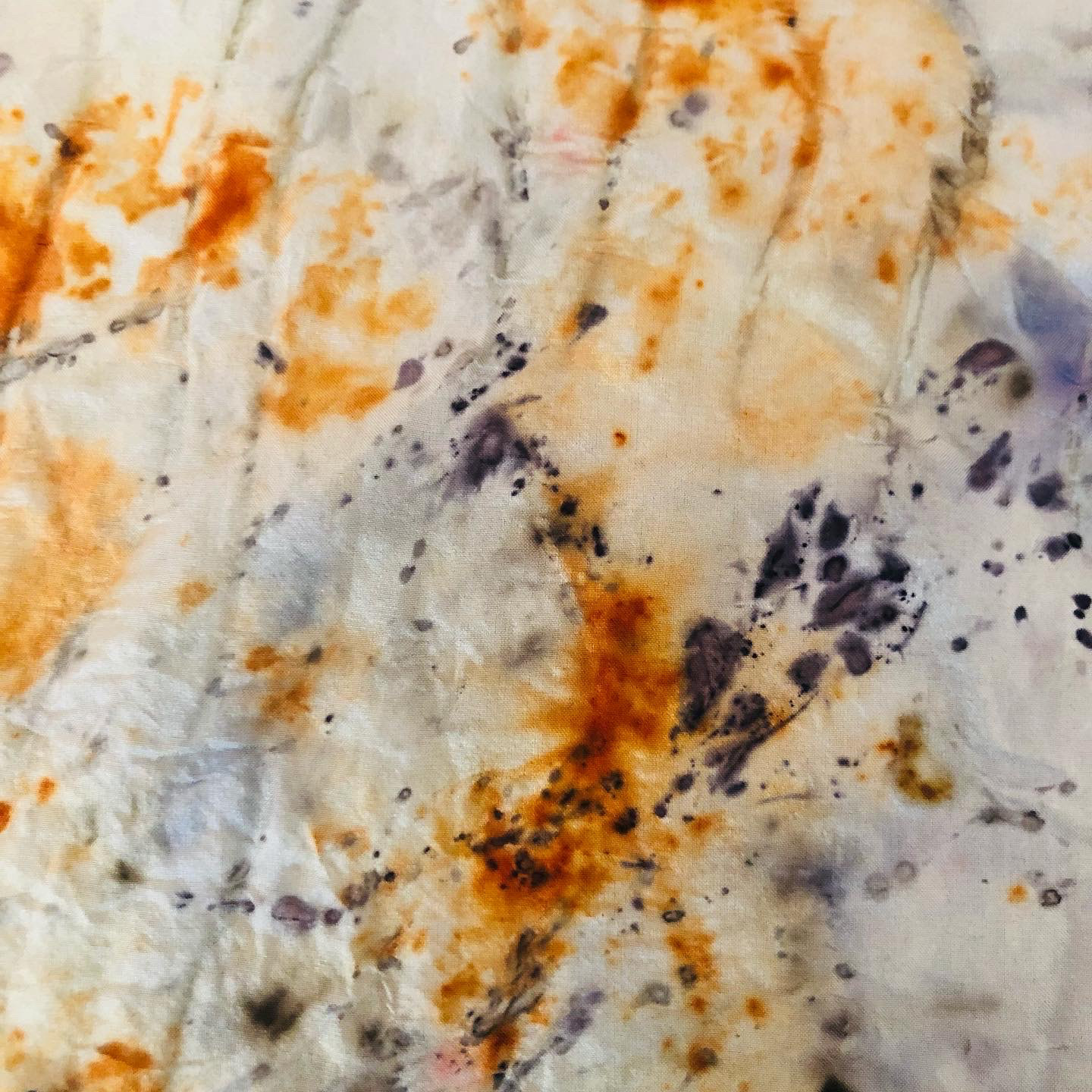
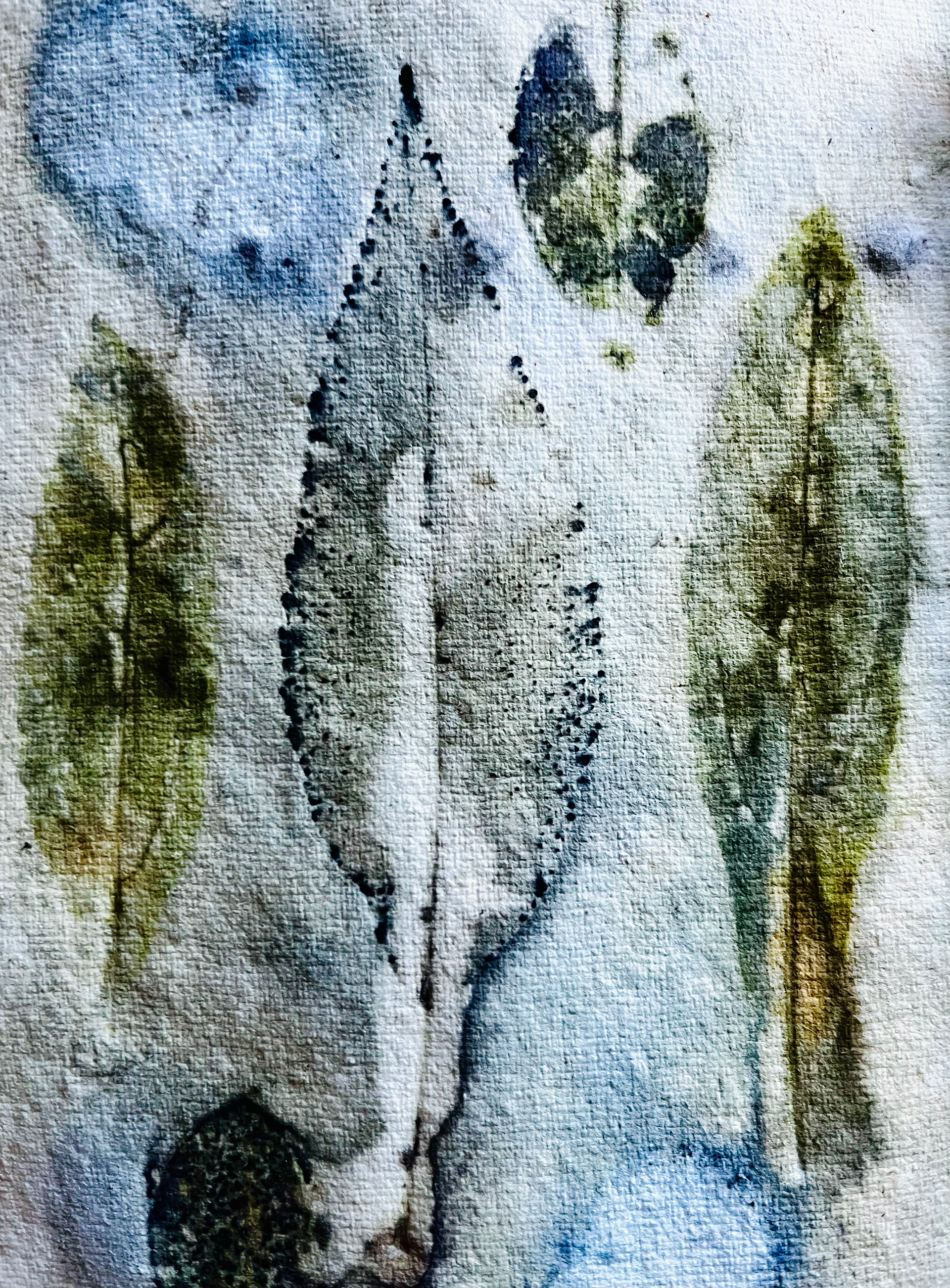
Printing Nature's Pallet: An Introduction to Ecoprinting
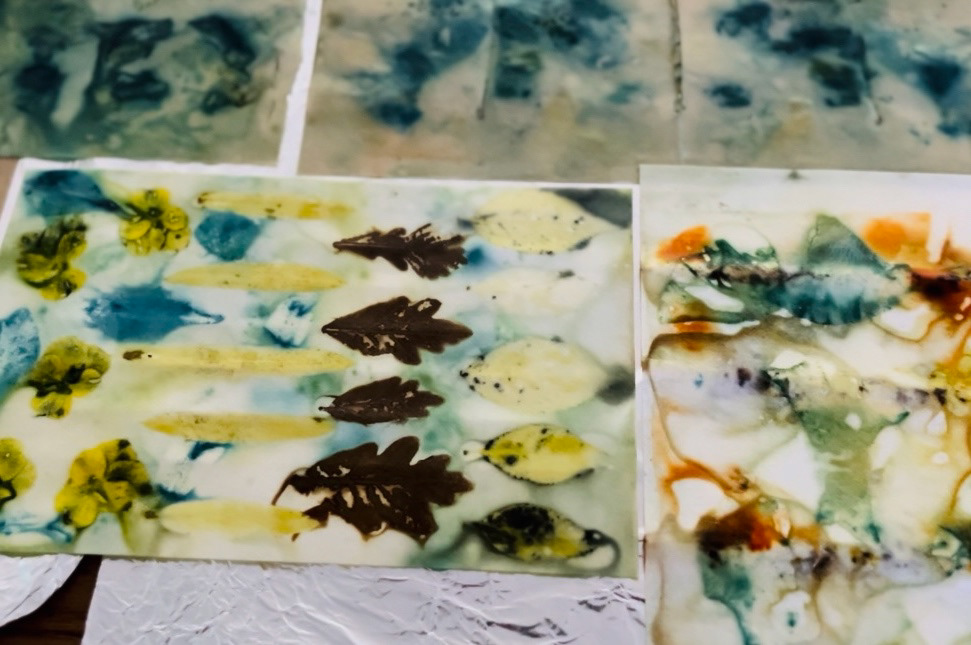
In this class, students learn basics of producing vibrant artworks on textiles or paper through ecoprinting, a technique used to "print" botanical designs and colors with leaves, flowers, lichens, and other natural materials. This course serves as an introduction to the technique — once completed, participants not only have created beautifully unique fabrics and papers, but gain confidence for further experimentation.
Introduces:
: Paper selection tips.
: Arrangement of material for interesting prints.
: Print colors and patterns using plants through a steaming method.
: Fundamentals of natural dyeing, like mordants and modifiers.
: Identify and harvest plants that produce rich colors.
: Safety, sustainability, and ethics in nature-based art.
: Arrangement of material for interesting prints.
: Print colors and patterns using plants through a steaming method.
: Fundamentals of natural dyeing, like mordants and modifiers.
: Identify and harvest plants that produce rich colors.
: Safety, sustainability, and ethics in nature-based art.
Artmaking with plants and other materials found where you live can be an enriching, powerful experience that helps you to better understand the life around you. From pigments and patterns to rich metaphor, local flora hold a wealth of uses — they can be muses for our art in more ways than one. Once you learn a plant and how to incorporate it into your art respectfully, the relationship is beautiful.
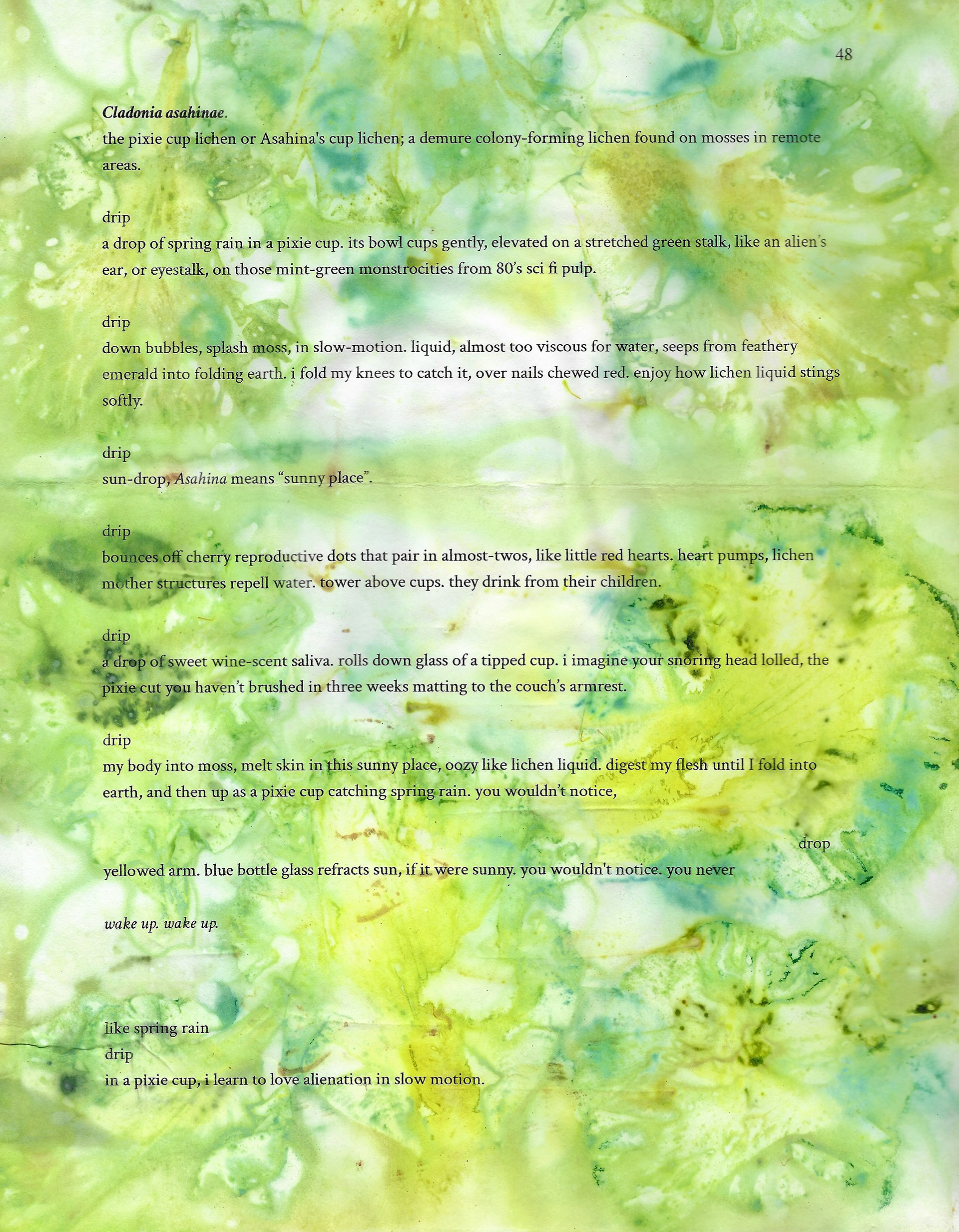
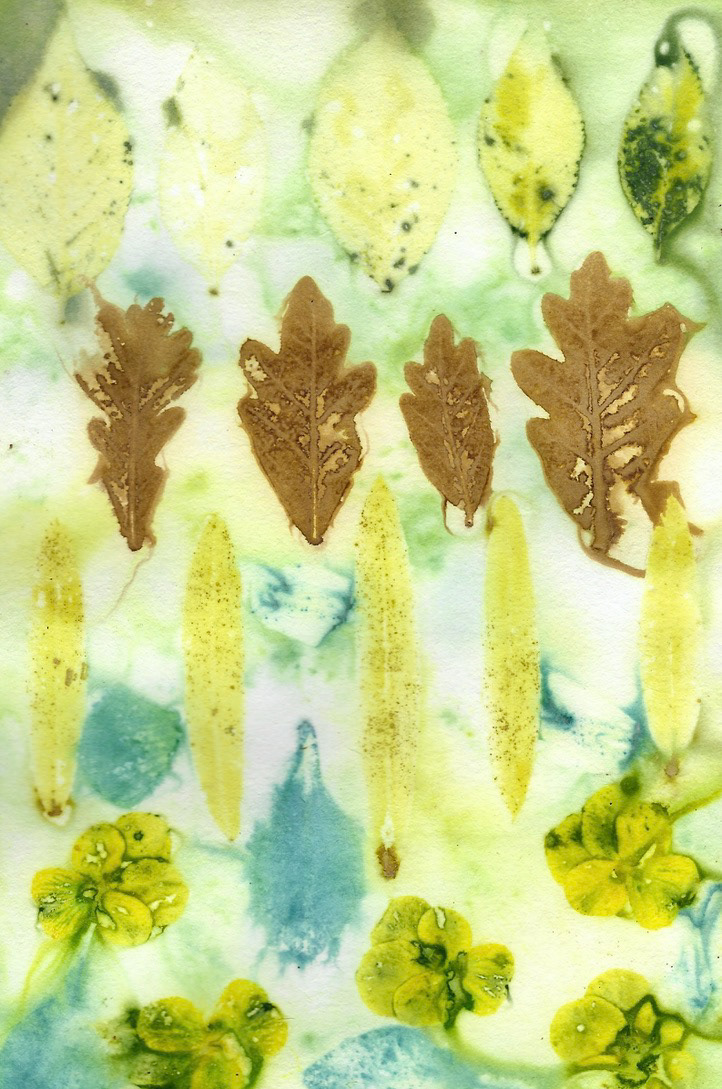
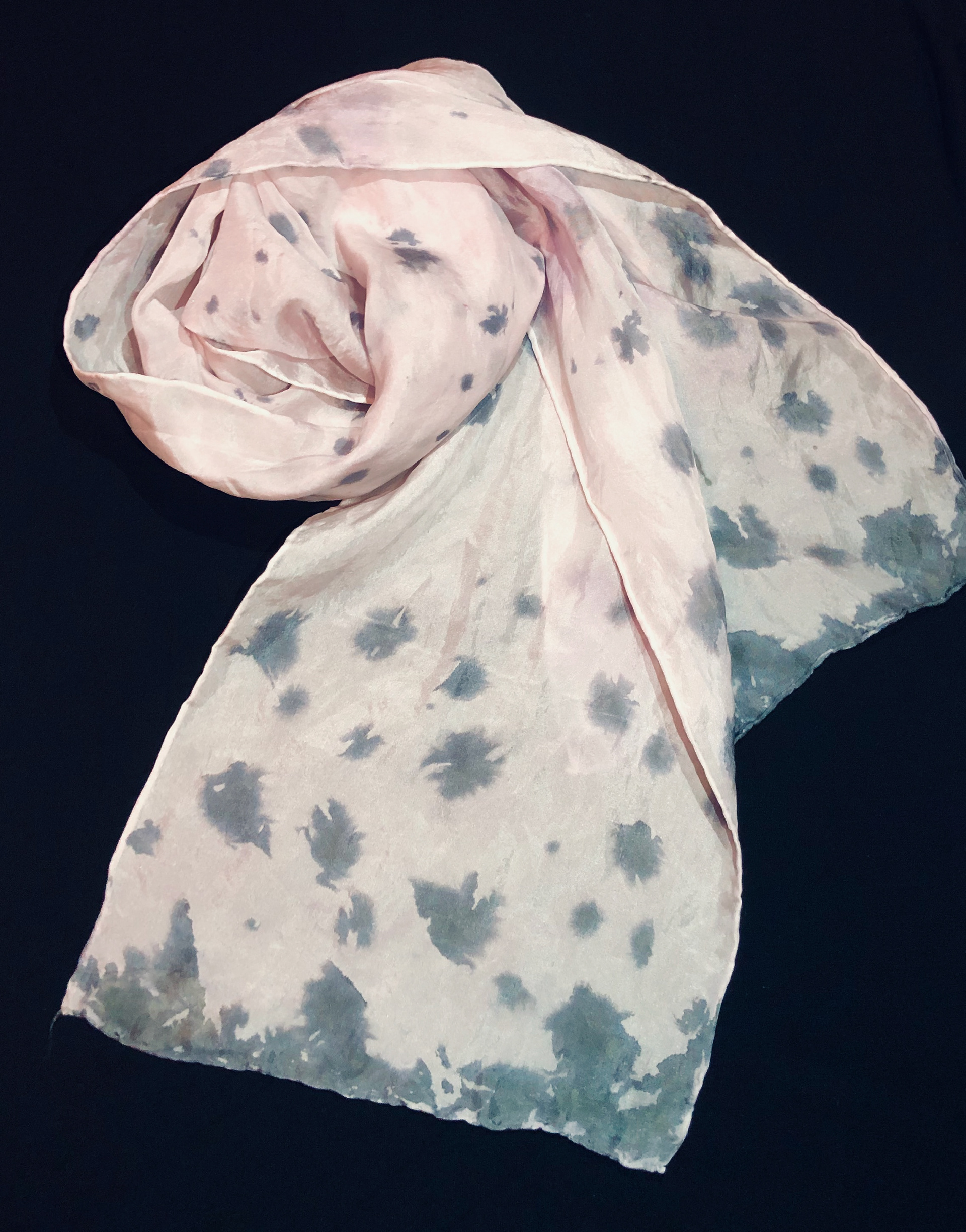
Poetics of Plants & Paper: incorporating living landscapes into art-making and creative practices
This workshop immerses students in the world of environmental and bio-based art. First, students learn an alternative printmaking practice called eco-printing, a technique used to "print" botanical designs and colors onto paper with leaves, flowers, lichens, and other natural dye materials. We use these designs alongside poetry, text, and print to make final pieces.
Students leave with an introduction to eco-printing, 1-3 finished works, and inspiration for incorporating environmental storytelling into their own creative practices. Most importantly, workshop participants gain a better understanding of how art and technology act as a portal to connecting with the ecosystems around us, and reciprocally, the landscape can nourish and inspire our art-making.
In Conversation with Coreopsis: an ecopoetics and generative writing workshop
In this workshop, participants explore ways in which we are in constant dialogue with the landscapes and non-humans around us. We begin by listening and observing, and learn to develop introspective writing practices around our observations and ways the land shapes, and reflects, our identities. The city holds an often overlooked wildness — what glimpses of the more-than-human do we miss? Ecopoetics and ecoliterature, which investigates how writing reveals and engages with the world as ecosystems, will be emphasized.
Participants venture into a mix of digital and real-world soundscapes with listening prompts. After exploring, we come together for writing session bursts. Further prompts and discussion guide writing, although style and genre are not prescribed — the purpose is to develop and expand previous writing skills while being accessible to writers and creators of all backgrounds. The workshop ends with optional readings of participant writing, and discussion of how we feel we relate to the world around us. It can be presented as an intensive single day workshop and is flexible to a variety of spaces / contexts / skill levels.
Examples of Prompts:
You are blindfolded.
Go lay on the grass and find an insect. Describe it — is it munching grass? Ambling over sticks and moist ground?
What do you hear?
Can you smell anything?
What does it feel like?
You are paralyzed.
Lie on the grass and be very still. Find an insect. What are they doing? Look closer. Are they hairy? How do they differ from other insects? Do they make any sounds as they go about?
What do you see?
What does it smell like?
What does your body feel like completely still? What is the world like moving around you?